
01
About Me
Bridging architecture and environmental science to create resilient, sustainable built environments
Academic Profile
I am a PhD candidate at Adelaide University, specializing in the critical intersection of climate change and sustainable building performance. My research addresses one of the most pressing challenges of our time: understanding how evolving climate conditions will impact the energy efficiency and environmental footprint of our built environment.
With a strong foundation in architecture and advanced training in environmental assessment methodologies, I focus on developing comprehensive frameworks for evaluating the long-term sustainability of construction materials, particularly cross-laminated timber as an alternative to traditional reinforced concrete systems.
My work contributes to international efforts toward achieving net-zero carbon emissions in buildings, combining life cycle assessment techniques with sophisticated building energy modeling to provide actionable insights for architects, engineers, and policymakers. I am actively involved in the IEA EBC Annex 89 project, collaborating with leading researchers worldwide to implement net-zero whole life carbon building strategies.
02
Publications
Contributing to the global knowledge base on sustainable building design and climate adaptation
Spatiotemporal supply-demand matching in residential building rooftop photovoltaics (PV) under climate change: A cross-climate zone assessment
Abstract
This study investigates spatiotemporal supply-demand matching for residential rooftop photovoltaics (PV) under future climate change across 27 cities representing all ASHRAE climate zones. The analysis integrates annual, monthly, and daily performance metrics to evaluate how climate change alters both building energy demand and PV generation, revealing substantial regional variation in self-sufficiency and self-consumption outcomes.
Key Findings: Under SSP585_2080, extreme hot regions experience rising energy demand and limited PV output, while cool and cold regions benefit from reduced demand but remain constrained by winter solar availability. The study further shows that extreme heat events can create sharp energy deficits in tropical climates, and polar regions continue to face zero-generation periods during winter.
Implications: These results highlight the need for climate-specific strategies combining envelope upgrades, demand-side interventions, and supplementary energy sources to address the inherent limitations of rooftop solar generation in different climates.
Embodied versus operational emissions: A life cycle optimization framework for building envelope design under climate change
Abstract
This study develops an integrated life cycle assessment framework to examine the trade-off between embodied and operational emissions in building envelope design under climate change. The framework evaluates four scenarios that combine static and dynamic climate and energy conditions for a 10-storey mass timber office building across Australian cities.
Key Findings: The results show strong spatial variation in minimum life cycle greenhouse gas emissions, ranging from 1426 kgCO2eq/m² in Hobart to 8322 kgCO2eq/m² in Townsville. Climate change and grid decarbonization interact in non-linear ways, and reducing operational energy beyond the optimum can increase total life cycle emissions. The framework provides quantitative evidence for more durable low-carbon envelope design decisions.
Exploring embodied greenhouse gas (GHG) emissions of mass timber construction: A comparative study of life cycle assessment databases
Abstract
With global efforts in reducing building operational energy consumption, attention is increasingly turning toward mitigating embodied greenhouse gas (GHG) emissions from building materials manufacturing and processing, particularly for emerging materials like mass timber. Quantifying embodied emissions typically requires the use of GHG emission coefficients from life cycle assessment (LCA) databases. However, significant variability persists in the results of LCA studies while their underlying causes remain largely unexplored.
Key Findings: Through detailed examination at material and building levels, the research reveals significant methodological inconsistencies that create substantial variations in embodied emissions. At the material level, mass timber emissions span from -686.80 to 1718.00 kgCO2eq/m³. Building-level analysis (A1-A3) reveals emission ranges of -170.31 to 434.62 kgCO2eq/m² for mass timber construction and 69.79 to 485.95 kgCO2eq/m² for concrete buildings.
Implications: The study identifies several challenges in current mass timber LCAs, including inconsistent treatment of biogenic carbon flow, varying system boundary definitions, and inadequate consideration of End-of-Life (EoL) processes for mass timber. This highlights the need for establishing standardized approaches for biogenic carbon accounting and developing more comprehensive and transparent databases to enhance the reliability of mass timber LCA.
Impact of climate change on energy performance and energy conservation measures effectiveness in Australian office buildings
Abstract
This paper examines the impact of climate change on office buildings in ten Australian cities, representing diverse climatic conditions. Energy simulations were conducted using Grasshopper with Ladybug tools in Rhino for a 10-storey office building, followed by a sensitivity analysis to evaluate the effectiveness of energy conservation measures (ECMs) under global warming.
Key Results: Significant increases in cooling demands (up to 38% under SSP585_2080 scenario), heating demand decreases (48-81% for all cases), and potential 70% reduction in building GHG emissions by 2080 due to electricity decarbonization.
Challenges in predicting the impact of climate change on thermal building performance through simulation: A systematic review
Abstract
The intricate relationship between climate change and the building sector is characterized by a self-reinforcing loop. Rising temperatures driven by global warming will inevitably impact heating and cooling energy, while buildings simultaneously contribute significantly to carbon emissions throughout their lifecycle.
Key Findings: Identifies inconsistencies in methods and geographical disparities, scaling challenges from individual building to district-level predictions, and emphasizes the need for robust design using latest models and scenarios.
Prospect of energy conservation measures (ECMs) in buildings subject to climate change: A systematic review
Abstract
This systematic review examines the effectiveness of energy conservation measures (ECMs) in buildings under future climate scenarios. The study analyzes how climate change will affect the performance of various building technologies currently employed for energy efficiency.
Key Insights: Future climate may shift heating-dominated regions into cooling-dominant environments. Solar controls will be more pronounced in the future, emphasizing the need for flexible ECMs.
Impact of climate change on the life cycle greenhouse gas emissions of cross-laminated timber and reinforced concrete buildings in China
Abstract
This study investigates how climate change affects the life cycle greenhouse gas emissions of both cross-laminated timber (CLT) and reinforced concrete buildings in China's diverse climate zones.
Key Contributions: First comprehensive assessment of climate change impacts on building LCA in China, demonstrating the importance of considering future climate scenarios in building material selection.
Life cycle assessment of mass timber construction: A review
Abstract
Life cycle assessment (LCA) has been widely used to determine the environmental impact of mass timber construction (MTC) as a substitute for conventional construction. This article presents a systematic review of MTC from a life cycle assessment perspective, examining 62 peer-reviewed articles.
Key Findings: Mass timber buildings typically have lower global warming potential and embodied energy compared to conventional concrete and steel alternatives. Shows variety in scope, lifespan, system boundary, data sources and indicators across studies.
Comparative life cycle assessment of a reinforced concrete residential building with equivalent cross laminated timber alternatives in China
Abstract
This study explores the life cycle greenhouse gas emissions (LCGHGE) and life cycle primary energy (LCPE) of three high-rise residential buildings in the cold region of China: conventional reinforced concrete (RC), CLT and hybrid CLT buildings.
Key Results: CLT and hybrid CLT buildings produce 15.00% and 10.77% lower LCGHGE respectively, with 46.52% and 37.24% of embodied GHG emissions reduced compared to RC building.
Recycling potential comparison of mass timber constructions and concrete buildings: A case study in China
Abstract
This study compares the recycling potential of mass timber constructions with concrete buildings through a comprehensive case study in China. The research evaluates end-of-life scenarios and circular economy potential of different building materials.
Key Contributions: Demonstrates superior recycling potential of mass timber compared to concrete buildings, supporting circular economy principles in the construction industry.
Research on post occupancy evaluation of Oze National Park in Japan based on online reviews
Abstract
This research explores post-occupancy evaluation methodologies applied to Oze National Park in Japan using online reviews as a data source. The study employs content analysis, semantic analysis, and topic analysis through Python programming.
Key Methodology: Innovative use of online review data for post-occupancy evaluation, demonstrating the potential of digital data sources for understanding user experiences in architectural and landscape spaces.
03
Education
Academic journey through leading institutions in architecture and sustainable design
PhD in Construction Management
Scholarship: Research Training Program Scholarship
Supervisor: Prof. Jian Zuo
Research Focus: Whole building life cycle assessment of mass timber construction under climate change.
Master of Architecture
Academic Performance: 91.18/100 (Top 5% of cohort)
Master's Thesis: Life cycle assessment of mass timber construction in China - comprehensive environmental impact analysis and comparative study with conventional construction methods.
Bachelor of Architecture
Academic Performance: 89.42/100 (Top 5% of cohort)
Specialization: Post-occupancy evaluation methodologies, with focus on evidence-based design and user experience optimization.
04
Teaching
Tutorial and demonstrator experience in digital construction, coordination, and construction management technology
Digital Design and Construction
Institution: Adelaide University, School of Civil Engineering and Construction Management
Course Coordinator: Dr. Prince Antwi-Afari
Led weekly tutorials in building energy performance simulation using Ladybug Tools and Grasshopper in Rhinoceros, combining short technical demonstrations with guided practice and assignment support.
Digital Design and Construction - Coordination
Institution: Adelaide University, School of Civil Engineering and Construction Management
Course Coordinator: Dr. Prince Antwi-Afari
Delivered tutorials on construction project management and coordination workflows, including Microsoft Project for scheduling and Navisworks for clash detection and model coordination.
Construction Management Technology I
Institution: Adelaide University, School of Civil Engineering and Construction Management
Course Coordinator: Prof. Jian Zuo
Provided academic support across construction management and technology topics, including student consultation, concept clarification, and support for course learning activities.
05
Research Experience
Contributing to international research initiatives on sustainable building technologies
IEA EBC Annex 89: Implementing Net-Zero Whole Life Carbon Buildings
Supervisor: Prof. Jian Zuo
Active participation in international collaboration focused on achieving net-zero carbon emissions in the built environment. Contributing to global research strategies and methodological frameworks for whole life carbon assessment.
National Key Research and Development Program of China
Project: Goal and effect-oriented green building design principles and methodologies
Supervisor: Prof. Qiong Huang
- Conducted comprehensive systematic review on life cycle assessment of mass timber construction
- Developed quantitative methodologies for evaluating greenhouse gas emissions across building lifecycles
- Assessed climate change impacts on residential building energy demand patterns
06
Technical Expertise
Advanced proficiency in architectural design, environmental analysis, and research methodologies
Building Performance Simulation
Ladybug Tools, Grasshopper, and Rhinoceros workflows for building energy performance and climate-responsive design analysis
Peer Reviewer
Nature Cities, Building and Environment, Communications Earth & Environment, Journal of Building Engineering, Intelligent Buildings International
3D Modeling & BIM
AutoCAD, Revit, SketchUp, Rhinoceros, Grasshopper for parametric design and building information modeling
Design Visualization
Photoshop, Illustrator, InDesign for professional presentation and architectural visualization
Data Analysis
Python programming for content analysis, semantic analysis, and environmental data processing
Research Methods
Life cycle assessment, building performance simulation, systematic review methodologies
07
Awards & Recognition
Distinguished academic achievements and professional recognition
Ian Wilson Liberal Foundation Research Supplementary Scholarship
Supplementary scholarship supporting PhD research in sustainable building technologies (2025-2027)
Hans-Juergen and Marianne Ohff Research Grant
Research travel grant for collaboration at University of Liege, Belgium - Sustainable Building Design Lab (Oct 2025 - Apr 2026)
Terence Williamson Prize in Architectural Research
Prize recognizing outstanding achievement in architectural research - School of Civil Engineering and Construction Management
CLIVE E. BOYCE Research Scholarship in Architecture
Prestigious research scholarship recognizing exceptional academic merit and research potential in architectural studies
Research Training Program Scholarship
Australian Government scholarship supporting PhD research in sustainable building technologies
First Place - 3rd Solar Decathlon China
Key team member in winning design for sustainable solar-powered house competition
China National Scholarship
Top 0.2% of students nationally - highest academic honor for graduate students in China
Tianjin University First-Class Scholarship
Awarded twice for maintaining top 10% academic performance and research excellence
Outstanding Graduate
Wuhan University of Technology recognition for exceptional academic and leadership achievements
08
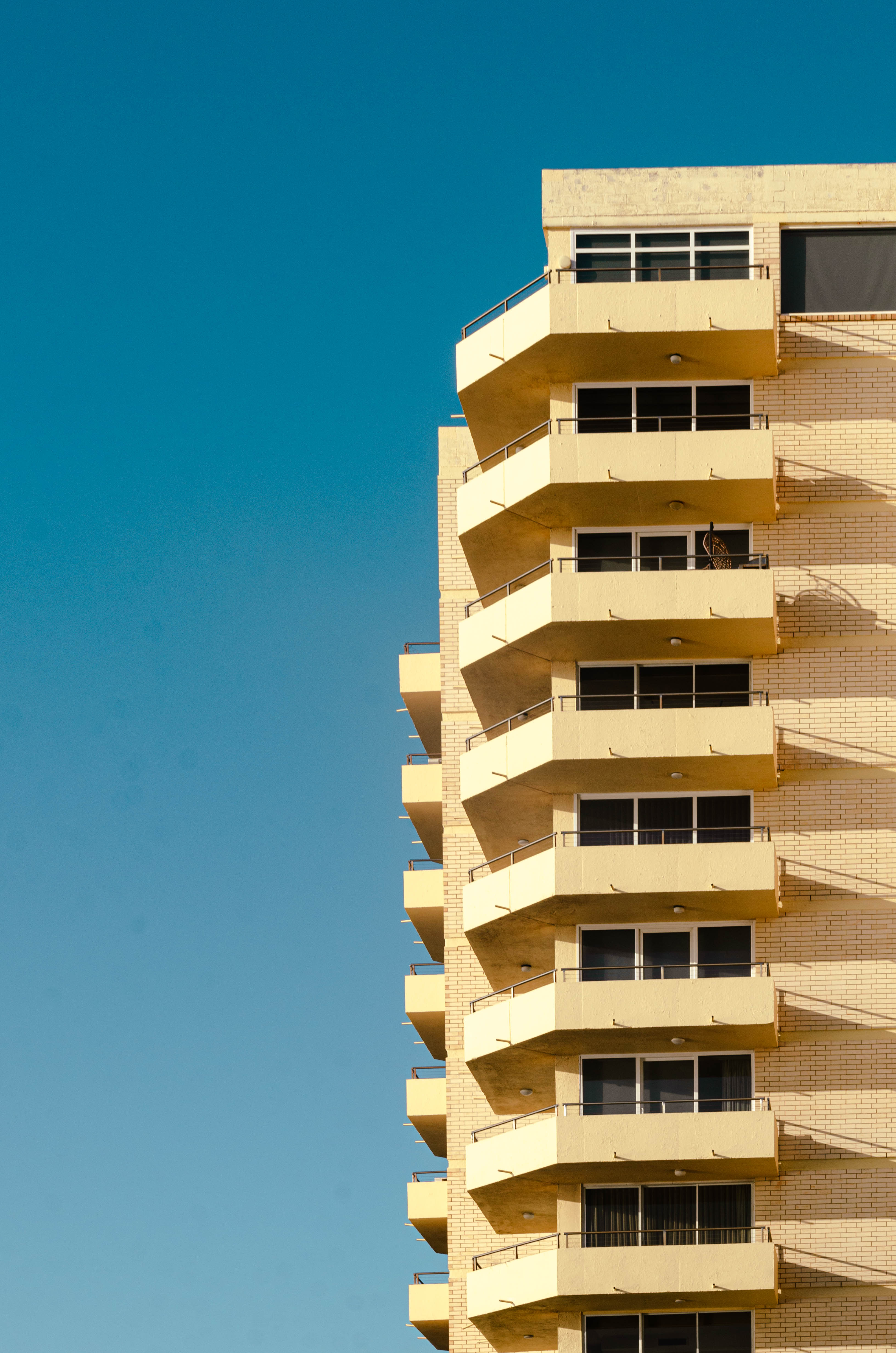
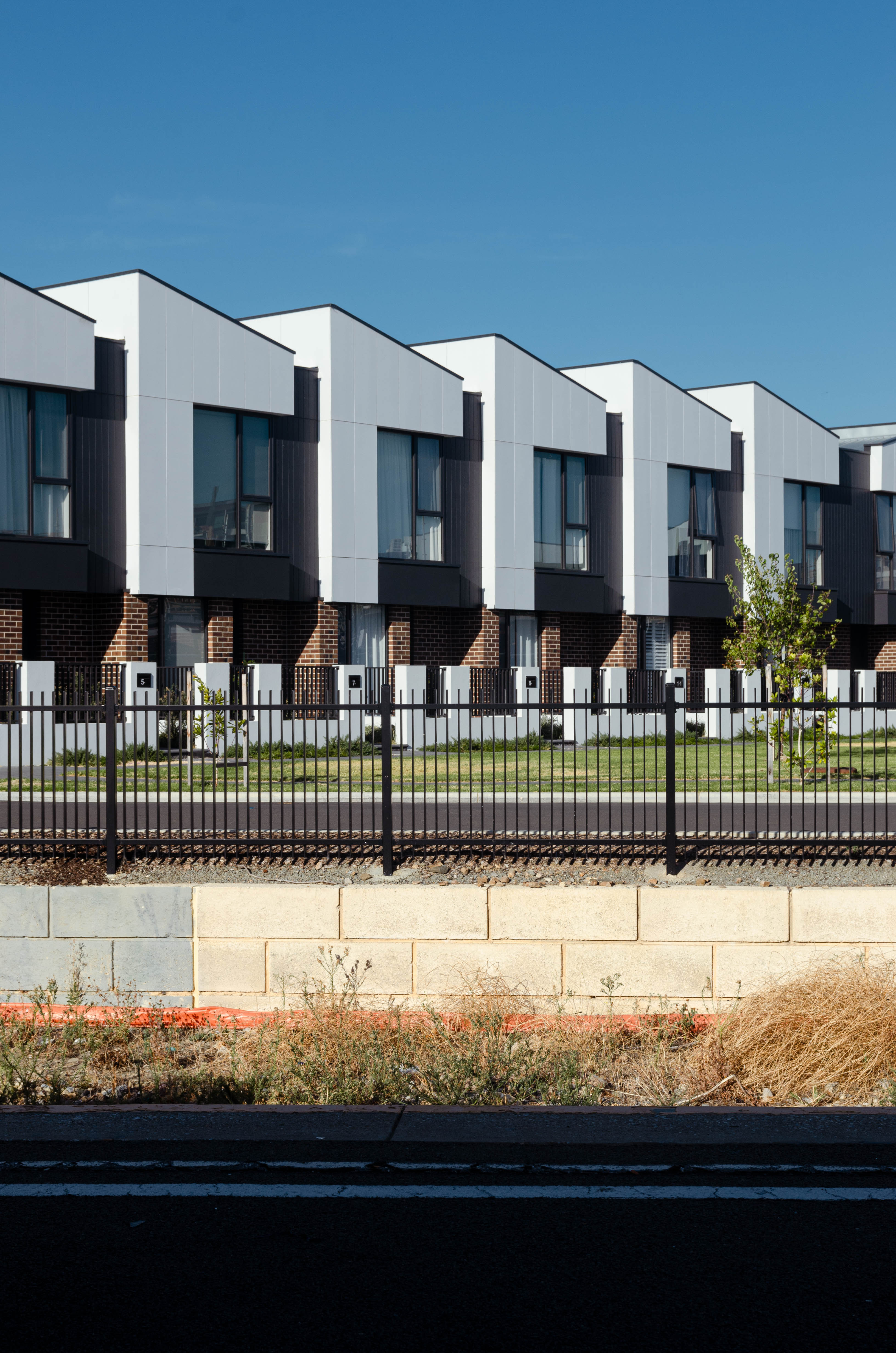
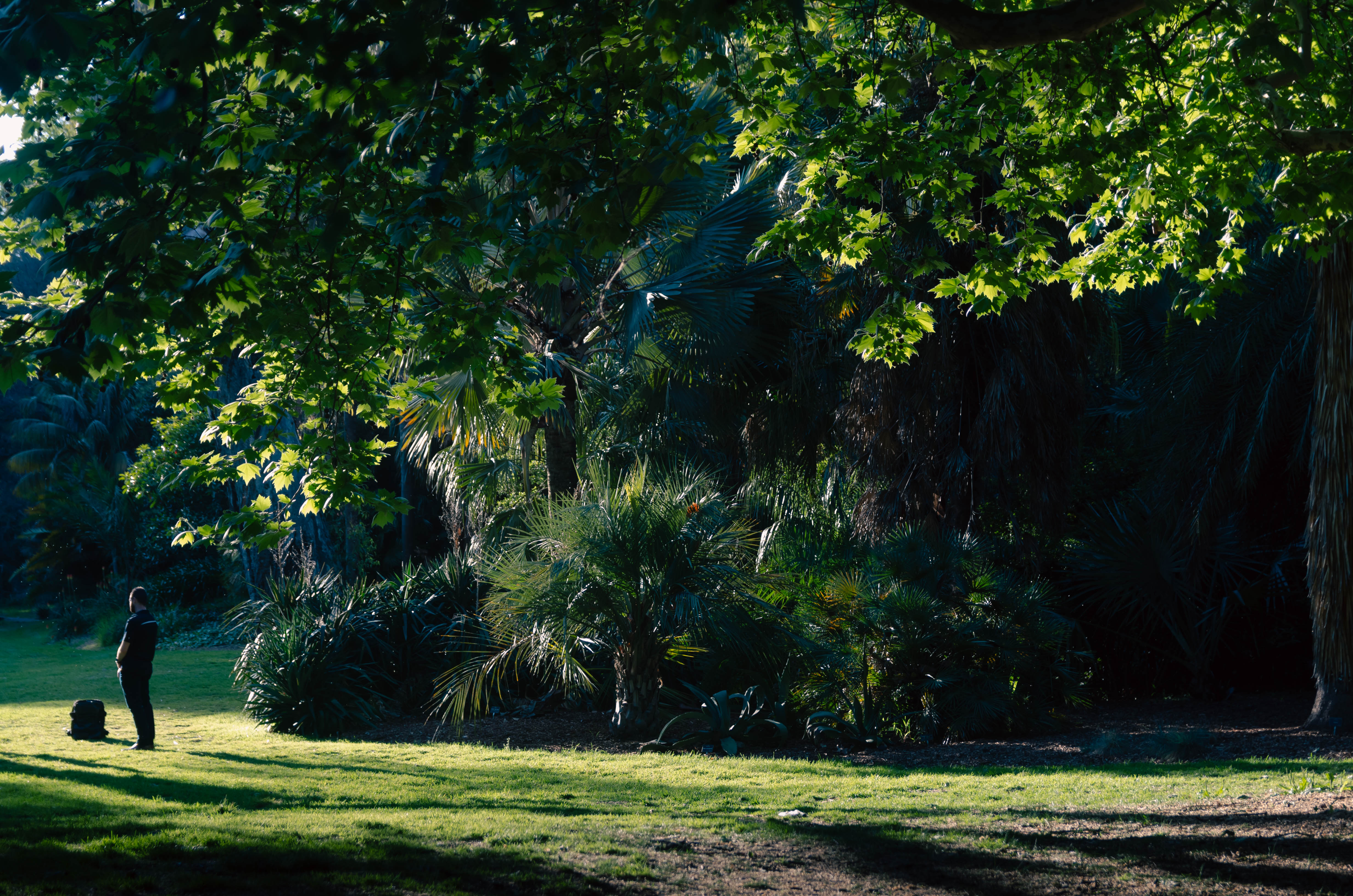
Photography
Capturing architectural beauty and environmental moments through my lens
Selected Works
A compact selection: 2 architecture, 2 people, and 2 nature photos.



09
Contact
Let's collaborate on sustainable building research and innovation
University Profile
School of Civil Engineering and
Construction Management
Adelaide, South Australia
Professional Network
Connect for collaboration opportunities